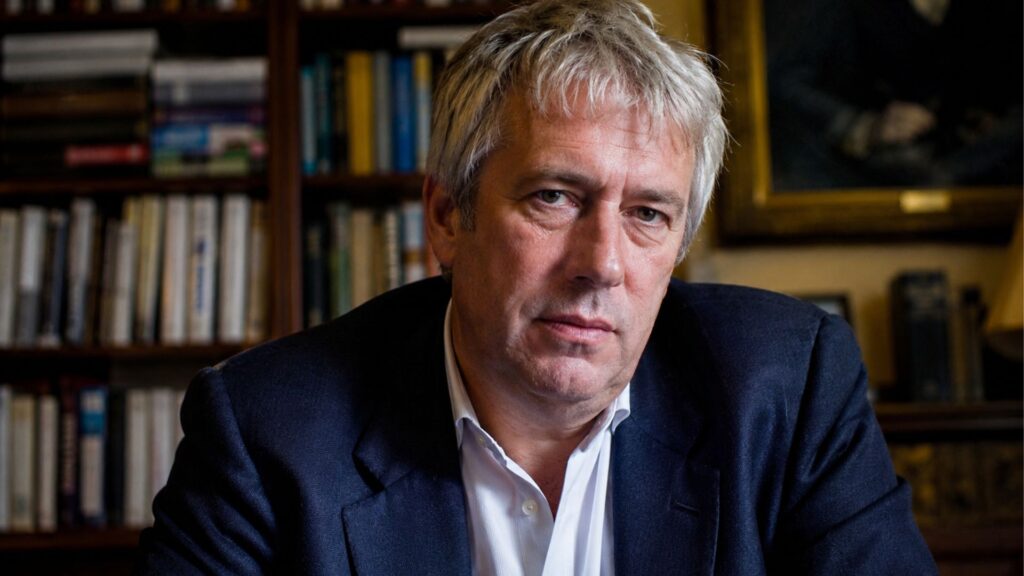

Rod Liddle was one of Britain’s most distinctive and controversial journalists, broadcasters and political commentators. Known for his sharp humour, provocative opinions and willingness to challenge established views, he built a career that stretched across the BBC, newspapers and magazines. He became particularly associated with The Spectator, where he served as associate editor and wrote regularly for more than two decades. Liddle died in August 2026 at the age of 66 after a short illness, bringing an end to the career of a writer who had remained a highly recognisable voice in British journalism.
Quick Bio of Rod Liddle
| Personal Detail | Information |
|---|---|
| Full Name | Rod Liddle |
| Date of Birth | 1 April 1960 |
| Place of Birth | Sidcup, Kent, England |
| Profession | Journalist, columnist, broadcaster and author |
| Education | London School of Economics |
| Famous BBC Role | Editor of BBC Radio 4’s Today programme |
| Major Publication | The Spectator |
| Other Publications | The Sunday Times, The Sun and others |
| Writing Style | Satirical, provocative, humorous and opinionated |
| Children | Wilder, Tyler and Emmy |
| Date of Death | August 2026 |
| Age at Death | 66 |
Early Life and Education
Rod Liddle was born on 1 April 1960 in Sidcup, Kent. He later studied at the London School of Economics, an institution that has educated many prominent figures in British politics, economics, media and public life. His early professional experiences helped establish the political and journalistic interests that would remain central to his career.
Before becoming widely known as a newspaper columnist, Liddle worked within British political and media circles. During the 1980s, he worked as a speechwriter for the Labour Party. His later political commentary would move considerably away from the traditional Labour position, making the evolution of his political outlook one of the more interesting aspects of his career.
Career at the BBC
Liddle’s reputation grew substantially through his work at the BBC. He began as a trainee producer and eventually became editor of BBC Radio 4’s influential Today programme. His appointment was significant because he brought an unconventional personality and approach to one of Britain’s most important current-affairs programmes.
According to recollections published by The Spectator after his death, Liddle stood out almost immediately at the BBC because of his distinctive personality and unconventional appearance. More importantly, colleagues regarded him as a talented journalist who understood the excitement and pressure of the news cycle.
He edited Today from 1998 until 2002. During his time in the role, he helped develop a programme that placed considerable emphasis on journalism, interviews and political reporting. His approach was sometimes unconventional, but his abilities as an editor and producer were widely recognised.
Leaving the BBC did not mean leaving journalism. Instead, it opened the next and perhaps most famous chapter of his professional life.
The Spectator and “Liddle Britain”
In October 2002, Liddle began writing regularly for The Spectator after leaving the Today programme. He eventually became an associate editor and one of the magazine’s best-known contributors. His long-running column, “Liddle Britain”, became closely associated with his name and distinctive voice.
His columns were rarely neutral in tone. Liddle preferred strong opinions, satire, exaggeration and humour, often using deliberately provocative language to make a point. Supporters appreciated his independence and comic timing, while critics frequently challenged the tone and substance of his arguments.
The Guardian’s obituary described him as a provocative journalist whose attacks on the liberal-left were combined with energetic humour. This contrast was central to his public identity: he could be both deliberately confrontational and genuinely entertaining.
Newspaper Journalism
Alongside his work at The Spectator, Liddle wrote for major British newspapers, including The Sunday Times and The Sun. His newspaper columns allowed him to comment on politics, culture, society, sport and everyday British life.
He became particularly known for expressing opinions that many readers considered politically incorrect or outside mainstream commentary. Immigration, political correctness, the BBC, education, class, crime and cultural change were among the recurring subjects in his journalism.
His work frequently divided opinion. Some readers saw him as an independent-minded commentator willing to say what others would not. Others considered his language unnecessarily inflammatory. Regardless of the reaction, his writing attracted attention and established him as a recognisable figure within Britain’s political-media landscape.
Books and Writing Beyond Journalism
Liddle was also an author. His published works included Too Beautiful for You, Love Will Destroy Everything, The Best of Liddle Britain, Selfish Whining Monkeys and Dog: A Biography.
Although journalism made him famous, Liddle apparently had ambitions beyond political commentary. A posthumous reflection by William Clouston reported that Liddle regarded fiction writing as his true calling and sometimes wondered whether journalism had taken him away from the literary career he might otherwise have pursued.
That observation adds another dimension to his career. Behind the controversial columnist was a writer interested in language, humour, storytelling and the possibilities of literature.
Controversies and Public Debate
Controversy followed Liddle throughout much of his professional life. His deliberately provocative writing style sometimes resulted in complaints and criticism.
One notable episode involved a Spectator article concerning the Stephen Lawrence case, which resulted in the magazine being fined and ordered to pay compensation after reporting restrictions connected with the trial were breached. His writing on crime and social issues also generated criticism over claims and language that opponents regarded as offensive or misleading.
These controversies became part of his public identity. Liddle rarely attempted to cultivate a universally agreeable image. Instead, he appeared comfortable with disagreement and often used controversy as part of his distinctive journalistic style.
Final Years and Death
Liddle continued writing and appearing in media discussions during the final years of his life. His Spectator archive shows that he remained active as a columnist in 2026, writing about British politics, culture, sport and the media.
He died at James Cook University Hospital in Middlesbrough following a short illness. He was 66. His children, Wilder, Tyler and Emmy, remembered him as an inquisitive, brave and humorous father and said they were proud of the legacy he left behind.
His death prompted tributes from journalists, politicians and fellow writers. The Spectator’s editor, Michael Gove, described him as a fearless and highly original satirist, while other colleagues highlighted his creativity, generosity and ability to make people laugh.
Rod Liddle’s Lasting Legacy
Rod Liddle leaves behind a complicated but significant journalistic legacy. He was admired by readers who valued irreverence, independence and humour, while others strongly disagreed with his political positions and rhetorical style.
Perhaps his greatest contribution was his distinctive voice. In an era when much political commentary can sound carefully managed, Liddle developed a style that was unmistakably his own. His writing could be funny, angry, sarcastic, provocative and occasionally controversial, often within the same column.
His long association with The Spectator, his years at the BBC and his newspaper work ensured that his influence extended well beyond any single publication. For supporters, he represented fearless journalism and an ability to challenge conventional thinking. For critics, he demonstrated the risks of allowing provocative commentary to dominate political discussion.
Whatever one’s opinion of his views, Rod Liddle was difficult to ignore. His career reflected several decades of change in British journalism, politics and culture. His columns, broadcasts and books will continue to provide material for readers interested in the changing character of British public debate.
For readers who enjoy discovering the lives and careers of influential personalities, The Pure Magazine offers a place to explore stories of journalists, writers, public figures and other notable individuals. Rod Liddle’s career remains a particularly interesting example of how one distinctive voice can leave a lasting mark on British journalism, even when that voice is frequently debated and challenged.
FAQs About Rod Liddle
Who was Rod Liddle?
Rod Liddle was a British journalist, columnist, broadcaster and author best known for his work with The Spectator, The Sunday Times and The Sun, as well as his former role as editor of BBC Radio 4’s Today programme.
When was Rod Liddle born?
Rod Liddle was born on 1 April 1960 in Sidcup, Kent, England.
What was Rod Liddle famous for?
He was particularly famous for his provocative political columns, sharp satire and long-running association with The Spectator. He was also known for editing the BBC’s Today programme.
When did Rod Liddle die?
Rod Liddle died in August 2026 at the age of 66 following a short illness.
Did Rod Liddle write books?
Yes. His books included Too Beautiful for You, Love Will Destroy Everything, The Best of Liddle Britain, Selfish Whining Monkeys and Dog: A Biography.
What was Rod Liddle’s writing style?
His writing was known for satire, humour, strong opinions and deliberately provocative language. His style attracted both devoted readers and significant criticism.
You May Also Readr https://thepuremagazine.co.uk/